Doctrine of the Sabbath Day and the Lord’s Day
October 29, 2025
The Bible establishes a contrast between the Sabbath as a day of rest given under the Old Covenant and the Lord’s Day, which commemorates the resurrection of Jesus Christ. In the beginning, God set aside the seventh day as a sacred day of rest, as recorded in Genesis when He rested after creation. This tradition was later codified in the Fourth Commandment, serving both as a sign of God’s deliverance of Israel from Egypt and as a continuing weekly reminder of His creative work.
Within the Old Testament, the Sabbath was a day for complete rest from ordinary labors—it was binding not only for the individual but for the entire household. The strict observance of this day underscored the covenant between God and His people, with severe consequences for intentional violations.
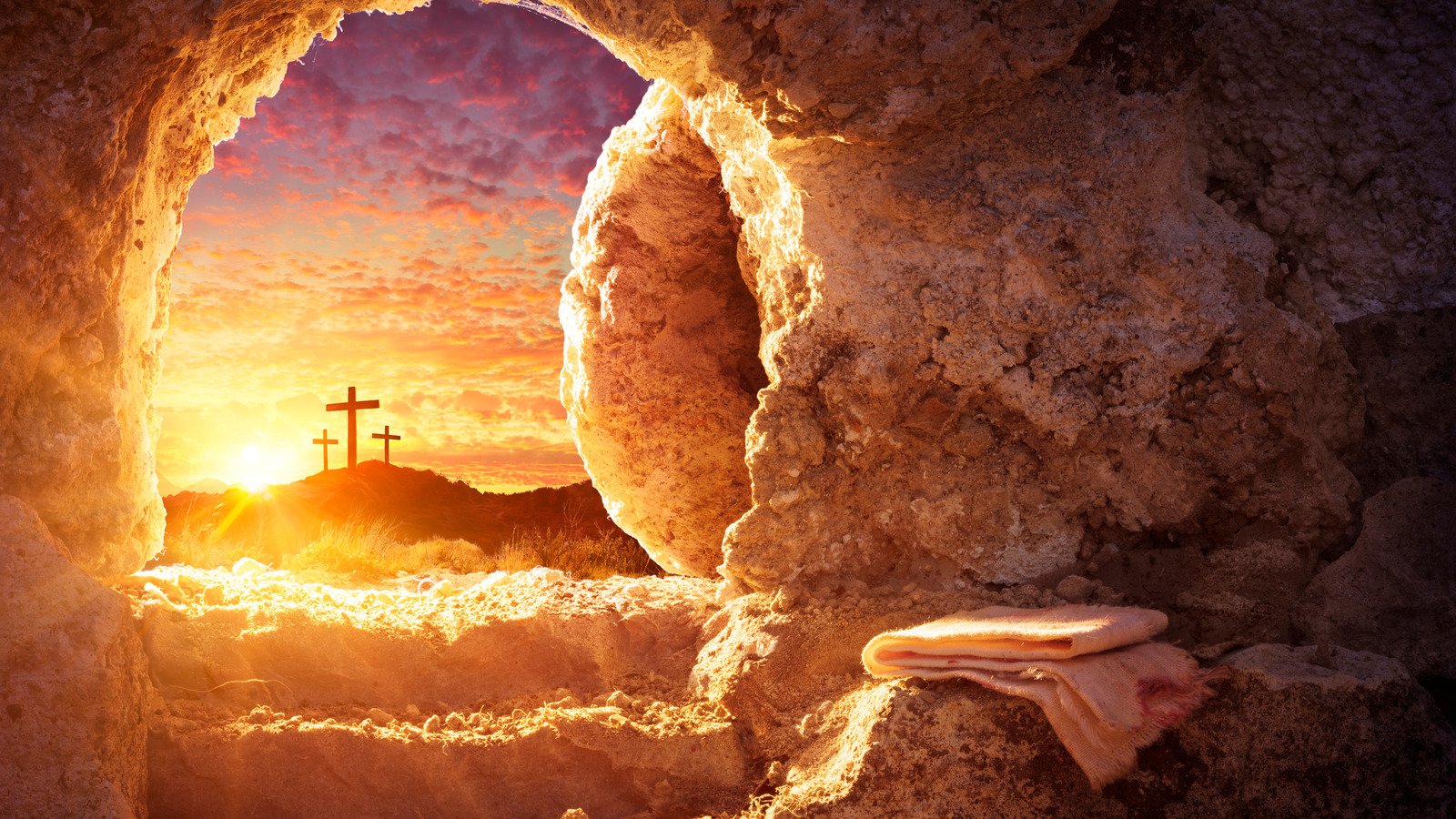
In the New Testament, Jesus redefined the intent behind the Sabbath. He declared, “The Sabbath was made for man, not man for the Sabbath,” emphasizing that the day was meant to bring relief and enable acts of mercy rather than merely enforce ritualistic observance. The early church, thereby, shifted its primary gathering to Sunday—the first day of the week—to honor Christ’s resurrection, referring to it as the “Lord’s Day.” This new observance signifies not only a historic break from the old pattern but also an invitation to experience an eternal spiritual rest through faith in Jesus.
As believers, we recognize that while the Sabbath pointed forward to a promise of redemption, the Lord’s Day celebrates that redemption as fulfilled in Christ. In understanding that all days ultimately reflect the spiritual rest available in Him, no one should be judged for choosing a particular day to honor God.
Halloween—Just Another “Day of the Dead”
October 30, 2025
As Halloween arrives once again, it serves as a stark reminder of humanity’s inescapable mortality—a consequence tracing back to that first act of disobedience in Eden. The biblical narrative tells of Adam and Eve’s fall when they disregarded God’s command, resulting in sin and death entering the human experience.
From the earliest times, God provided temporary coverings through sacrifices—the animal offerings of the Old Testament served as a symbolic answer to the problem of sin. However, these were mere shadows of the real solution that could only come through a sacrifice that permanently atoned for sin. In Jesus Christ, the ultimate atonement was accomplished on the cross; His resurrection demonstrated triumph over death and offers believers eternal life.
Over the centuries, various cultures have observed seasonal festivals that commemorate the dead. Traditions ranging from ancient Celtic celebrations to the Mexican Día de los Muertos share common themes of sacrifice, death, and remembrance. While these festivals may subtly echo biblical ideas such as the Day of Atonement, they often reflect customs that have deviated from their original intent.
In light of Christ’s redemptive work, the need for repeated sacrificial acts has been fulfilled. Rather than perpetuating rituals that focus solely on death, Christians are called to celebrate the reality of life eternal in Him. True understanding of our need for salvation comes from recognizing both the gravity of sin and the profound gift of grace achieved through Jesus.
Was Satan the Actual Serpent in the Garden of Eden?
October 28, 2025
The question of whether the serpent in Eden was merely a creature or a vessel for Satan has been debated throughout church history. On one hand, Genesis describes the serpent as a living, physical animal that was cursed to crawl on its belly. On the other hand, New Testament passages such as Revelation clearly identify the “great dragon” or “serpent of old” with Satan, the spiritual adversary.
The reconciliation of these accounts lies in understanding that Satan, a nonphysical being, cannot manifest in a humanlike body on his own. Instead, he is able to influence and dwell within physical creatures. Thus, the serpent in the Garden of Eden can be seen as a real animal that became the instrument of Satan’s deception. This view is supported by the fact that Scripture distinguishes between the physical curse pronounced on the serpent and the spiritual fall attributed to Satan.
Recognizing this dual aspect clarifies that while the serpent was indeed a created creature, its malevolent actions were deeply influenced by Satan’s presence. This understanding reinforces the biblical portrayal of Satan as a cunning deceiver who exploits the physical realm to carry out his purposes.
What About Satan and the Origin of Evil?
October 26, 2025
Satan’s identity and his role in the origin of evil have long intrigued believers. The Bible provides several names for him, including Satan, the Devil, and Lucifer—a term that, though traditionally associated with his fall, appears only once in Scripture as a description of a fallen figure. The name “Satan” itself translates as “adversary,” highlighting his role in opposing God and leading humanity astray.
Scriptural passages indicate that Satan was originally part of the heavenly host and was created blameless. However, pride led to his rebellion against God. Unlike humans, whose sin resulted in the curse upon creation, Satan’s fall introduced spiritual evil into the world. Although he tempted humanity—most notably in the Garden of Eden—the responsibility for sin ultimately rests with those who choose to act against God’s will.
Even though Satan played a role in enticing Adam and Eve, the entrance of sin into the world was a result of individual choice and desire. God’s allowance of evil for a limited time serves a greater purpose, ultimately displaying His glory through the redemptive work of Christ. In Christ’s victory over sin and death, even the seemingly insurmountable power of Satan is rendered temporary.
The Bible makes it clear that Satan’s dominion is not eternal. His destiny is sealed with a final judgment that includes eternal separation from God. This eventual outcome assures believers that despite the present influence of evil, the eternal purpose of God is to restore all things through His saving grace.

Rockin’ the faith, one verse at a time!
Growing up, the Bible’s stories deeply impacted me. Now, with over 15 years of preaching experience, I blend timeless teachings with modern technology, making them relevant for today’s world.
Bible Hub Verse is my platform to share historical insights and thought-provoking articles, exploring both familiar and uncommon Christian topics. My passion is building a welcoming online space for everyone to learn, grow in their faith, and discover the Bible’s enduring message.
Join the journey!
God bless you.

 By
By