
Christians Join Interfaith Plaintiffs in Texas Ten Commandments Challenge
Interfaith Coalition Challenges Mandated Display in Public Schools
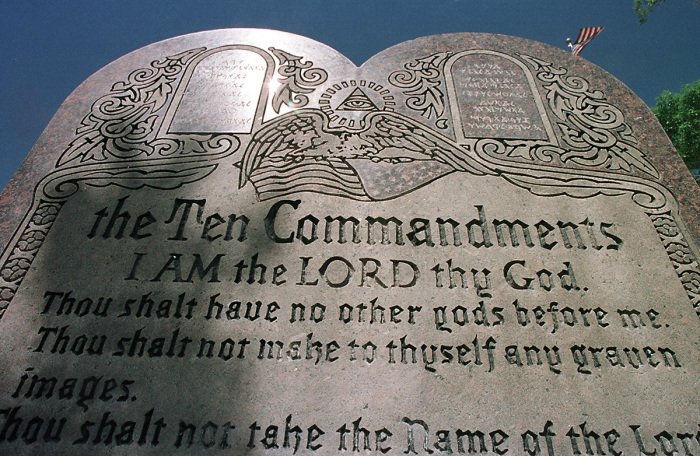
A controversial new Texas law requiring public school classrooms to display the Ten Commandments is now facing a further legal challenge. A lawsuit has been filed in the U.S. District Court for the Western District of Texas by a group of 16 families representing Jewish, Christian, Unitarian Universalist, Hindu, and nonreligious communities. Their legal team, which includes support from organizations devoted to maintaining church-state separation, argues that the law violates the First Amendment and forces a specific religious view into public education.
Under Senate Bill 10, schools must prominently display the Ten Commandments in every classroom using a legible typeface on a sign at least 16-by-20 inches in size. Opponents of the law contend that its prescribed text reflects a distinctly Protestant tradition. They point out that while many Jews, Catholics, and adherents of other faiths regard the Ten Commandments as sacred, the version mandated by Senate Bill 10 does not match their own interpretations. For example, the Jewish version emphasizes themes of liberation with different phrasing, and the Catholic tradition does not include the same prohibition against images, aligning with its broader use of religious iconography.
Diverse Faith Perspectives and Concerns Over Religious Imposition
The lawsuit cites Texas’ diverse student body—more than 5.5 million children attending approximately 9,000 public schools—and argues that Senate Bill 10 does not respect this diversity or the nation’s foundational principles. Plaintiffs note that the United States’ founding documents were not rooted in the Ten Commandments, and there is no tradition of placing such religious texts in the classroom.
Rabbi Mara Nathan, one of the plaintiffs, expressed deep worries from the dual perspective of being both a rabbi and a parent. “I am deeply concerned that this law will impose another faith’s scripture on students for nearly every hour of the school day,” she stated. “While our Jewish tradition holds the Ten Commandments as sacred, the version mandated here diverges from our own practice, creating a conflict with the religious principles we wish to instill in our children.”
Similarly, Pastor Griff Martin from a progressive Baptist congregation in Austin characterized the law as “un-American and un-Baptist.” He argued that the statute undermines the long-held Baptist belief in the strict separation of church and state, emphasizing that religious instruction should be the responsibility of families and local faith communities rather than a government mandate influenced by political ideology.
Arvind Chandrakantan, a Hindu parent and medical professional, added that the law seems to attack his faith directly. He explained that the mandated display implies a dismissal of Hindu traditions, such as the acceptance of diverse paths to the divine and the veneration of statues, which are integral to his religious practice.
Legislative Debate and Broader Implications
In support of Senate Bill 10, several lawmakers defended the mandated display during legislative hearings. One lawmaker invoked religious scripture to justify the bill, emphasizing an expansive view of religious freedom and the purported benefits of familiarizing students with these ancient laws. Another sponsor of the bill expressed shock over the low church attendance among students, warning that the scarcity of religious engagement in schools posed a serious concern for the future spiritual health of the nation.
Critics of the law argue that requiring a specific religious text in educational settings pressures students into a particular mode of religious observance and compromises the constitutional principle of separating church and state. They contend that decisions about religious instruction should be left to families, and that a state mandate risks marginalizing students who come from diverse cultural and religious backgrounds.
This legal challenge marks the second major interfaith effort to contest the display requirement, reflecting ongoing debates about the role of religion in public life and the proper interpretation of constitutional rights in a pluralistic society.

Rockin’ the faith, one verse at a time!
Growing up, the Bible’s stories deeply impacted me. Now, with over 15 years of preaching experience, I blend timeless teachings with modern technology, making them relevant for today’s world.
Bible Hub Verse is my platform to share historical insights and thought-provoking articles, exploring both familiar and uncommon Christian topics. My passion is building a welcoming online space for everyone to learn, grow in their faith, and discover the Bible’s enduring message.
Join the journey!
God bless you.

 By
By